
A denture that has started to slip at dinner. A favourite steak left on the plate. A missing tooth that has quietly changed how often you laugh in photos. These are the everyday reasons older patients start researching dental implants, not the medical history on a form.
For decades, dentures and bridges were the default answer to lost teeth in later life. Today, dental implants have become the long-term option many older patients are choosing instead, and contrary to a common assumption, age itself rarely rules them out. What matters more is bone, gum health, and how your overall health is tracking.
This guide covers what older patients actually want to know before booking a consultation: the benefits of implants, how they compare to dentures, who is a candidate, what the procedure involves, recovery, and what costs and government support look like in Australia.
Key Takeaways
- Implants restore close to natural chewing function, typically 90%+ of natural tooth strength, compared with 10 to 30% for full dentures
- Implants preserve jawbone over time; dentures do not, and bone loss continues underneath them
- There is no upper age limit for dental implants in Australia; successful placements have been performed in patients in their 80s and beyond
- Bone density and overall health matter more than age; bone grafting and mini implants address many cases of low density
- Costs in Melbourne typically range from $3,000 to $7,000 for a single implant and $25,000+ for full-arch plans; health fund extras cover some components and payment plans are available
- Government support is limited for implants specifically; check eligibility with state schemes, your fund, and DVA before assuming coverage
Why Older Patients Choose Dental Implants
After 25+ years treating older patients in Balwyn, Dr. Steven Rostkier hears the same handful of motivations come up again and again. Most older patients researching implants are not chasing a cosmetic upgrade. They want to eat properly again, stop fighting with a denture, and feel comfortable in their own mouth. Implants deliver on those things in ways other options often cannot.
Eating without restriction. Many older patients have quietly stopped eating steak, apples, crusty bread, nuts, and corn on the cob. A full denture restores only 10 to 30% of natural chewing function, which is why so many denture wearers gravitate toward soft foods. Implants restore close to the strength of natural teeth, which means a wider, more nutritious diet becomes possible again. Better nutrition tends to follow naturally once the mechanical barrier is gone.
Jawbone preservation. When teeth are lost, the bone underneath stops being stimulated and gradually resorbs. Dentures do not stop this process; the pressure they place on the gum tends to accelerate it. Implants, because they sit in the bone like natural roots, keep stimulating it and slow or stop the resorption. Over a decade or two, this is the difference between maintaining face shape and watching it gradually change.
No slipping, no adhesives, no fuss. Implants are fixed in place. There is nothing to remove at night, no adhesive creams, no clicking when speaking, no anxiety about laughing or sneezing in public. For patients who have been wrestling with a denture for years, the everyday relief is often the most surprising benefit.
Long-term value. Implant posts often last 20+ years with proper care. The crown is typically replaced every 10 to 15 years. Dentures need relining every 5 to 8 years and full replacement periodically. Over a long enough time horizon, the cost gap narrows considerably.
Confidence and social ease. Worth naming directly: many older patients have quietly withdrawn from social eating and laughing because of denture problems or missing teeth. Restoring that comfort matters as much as the functional gains.
How Dental Implants Compare to Dentures for Older Adults
For most seniors, the real choice is between implants and dentures rather than implants and nothing. Both have a place. The table below sets out the practical differences.
| Factor | Dental Implants | Full or Partial Dentures |
|---|---|---|
| Bone preservation | Yes, stimulates the jawbone | No, bone loss continues |
| Feel and function | Fixed, like natural teeth | Removable; can slip or click |
| Chewing efficiency | 90%+ of natural tooth function | 10 to 30% with full dentures |
| Maintenance | Brushing and flossing; no adhesives | Daily removal, cleaning, adhesive |
| Lifespan | Post: 20+ years; crown: 10 to 15 years | 5 to 8 years before reline or replacement |
| Upfront cost | Higher: $3,000 to $7,000 per tooth | Lower: $1,500 to $4,000 |
| Surgical requirement | Yes | No |
For patients with adequate bone and reasonable general health, implants offer long-term advantages that often outweigh the higher upfront cost. For patients with significant health barriers, or for whom surgery is not appropriate, well-fitted dentures remain a functional and dignified option, not a consolation prize.
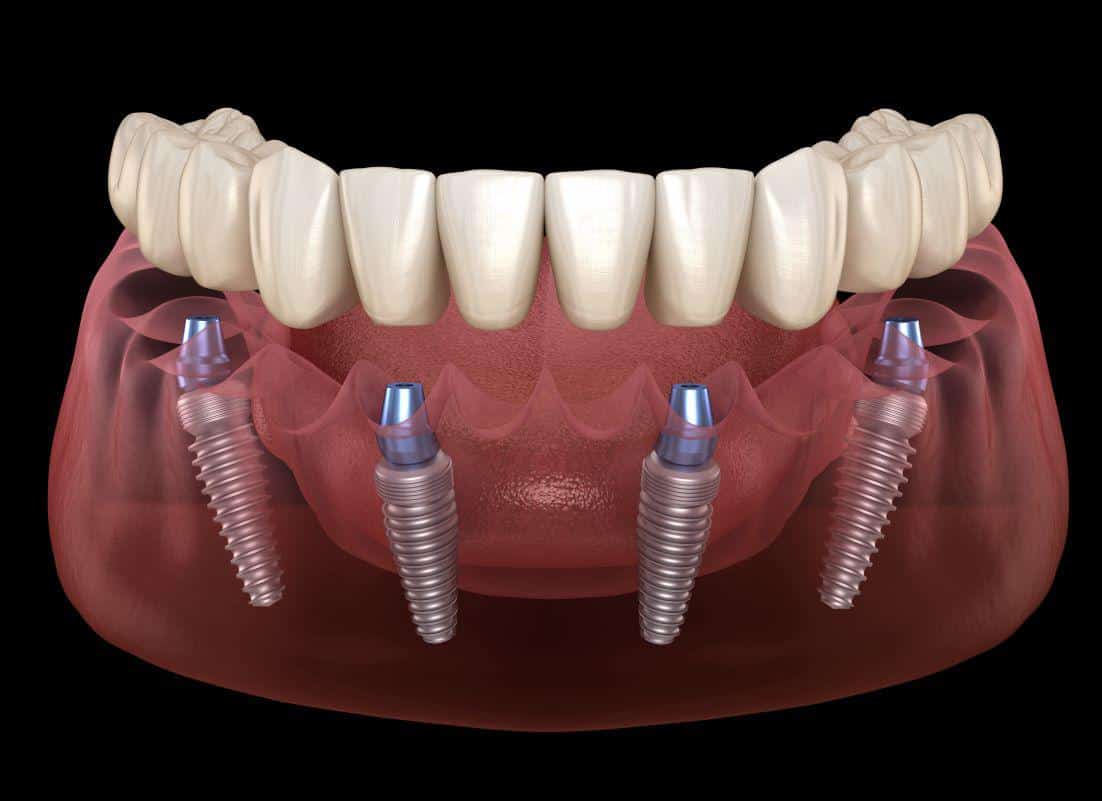
A useful middle path is implant-retained dentures, where a denture clips onto two to four implant posts. The result is far better stability than a conventional denture without the cost of replacing every tooth with an individual implant. Worth raising at consultation if denture frustration is the main driver but full implant treatment feels like too big a step. For a broader look at whether implants are worth it, the linked article covers the trade-offs in more depth.
Are You a Candidate? Eligibility for Older Adults
There is no upper age limit for dental implants in Australia. Eligibility is decided clinically, on bone, gum health, and overall health, not on birthdate. A 2017 meta-analysis in the Journal of Oral Rehabilitation (Sendyk et al.) found no statistically significant difference in implant loss between older and younger patients (relative risk 0.92, 95% CI 0.43 to 1.96). A more recent 2025 systematic review in Clinical Oral Implants Research reported 5-year survival of around 96.8% in patients over 75 and 92.1% in those aged 65 to 75.
Bone density and volume. Adequate bone is essential for anchoring the implant post. Older patients sometimes have reduced bone density due to age or long-term tooth loss. This is assessed with CBCT (3D) imaging, which shows bone height and width in detail. Where density is insufficient, bone grafting can often build it up. Mini implants (smaller in diameter) are an alternative where bone is narrow but otherwise healthy.
Health conditions and medications to flag. If you have diabetes, take blood thinners, have osteoporosis (particularly if you take bisphosphonates), or are undergoing cancer treatment, tell your dentist before treatment planning. Your dentist will work through your overall situation with you and coordinate with your GP or relevant specialists where needed. None of these conditions automatically rules out implants, but treatment planning and timing may be adjusted.
Gum health and healing. Active gum disease must be resolved before implants are placed; otherwise the same bacterial process that damaged the natural teeth will threaten the new implants. Healing capacity may be slightly slower in older patients, which is factored into the timeline rather than being a barrier. Manageable, not prohibitive.
A consultation with imaging and a full health review is the only way to determine individual suitability. At Dr. Steven Rostkier’s Balwyn practice, this stage is unhurried, with time to walk through what is possible for your specific bone, gum health, and medical history before any commitment.
The Implant Procedure: What to Expect
Implant treatment is staged over several months, with most of the time spent on healing rather than chair time. The four broad stages look like this.
Consultation and planning. Examination, CBCT imaging, bone and gum review, and a treatment plan with a written quote. Any pre-surgical work (bone grafting, extractions, gum disease treatment) is identified and sequenced at this stage. Dr. Steven Rostkier talks through options including dental implants and alternatives in plain language, so older patients can compare what is involved without feeling rushed.
Implant placement. Surgical placement of the titanium post under local anaesthetic, with sedation available for patients who need it. Most cases are day procedures. Once the post is in, the bone needs time to fuse with it, a process called osseointegration.
Healing and osseointegration. Three to six months on average. The bone grows around the post and locks it in place. A temporary tooth or denture is usually fitted for this period so daily life carries on normally.
Final restoration. Once the implant is fused, the abutment and final crown are fitted. This stage typically uses digital impressions (no messy traditional moulds) and a small number of fitting appointments to get the bite, shape, and colour right.
Recovery and Healing for Older Adults
The surgery itself is performed under local anaesthetic, so discomfort during the procedure is minimal. Post-operative soreness for several days is normal and is generally well managed with paracetamol or ibuprofen and a soft diet. Swelling typically peaks at 48 to 72 hours and then settles. Older patients sometimes heal a little more slowly, which is built into the treatment timeline rather than treated as a problem. Most patients are back to normal day-to-day activities within a few days. The longer healing window is osseointegration (3 to 6 months), and that is bone biology, not patient discomfort. Most people go about their lives normally during it.
Dental anxiety is genuinely common in older patients, often tied to historical dental experiences from a time when techniques and pain management were less refined. Sedation options for implant surgery include nitrous oxide (the lightest), oral sedation, and IV/twilight sedation for patients who need deeper relaxation. Dr. Steven Rostkier’s Balwyn practice offers all three sedation options, and the right level is discussed with the dentist before surgery.
Cost and Financial Support in Australia
Costs vary with case complexity, the number of implants, and any pre-surgical work needed. Typical Melbourne ranges look like this:
- Single implant (post, abutment, and crown): $3,000 to $7,000 depending on complexity
- Bone grafting where needed: $2,000 to $3,500 additional
- Implant-retained dentures: $4,000 to $8,000+ depending on the number of anchoring implants
- Full-arch customised plans: $25,000 to $45,000+
A written quote covering all components and any sequenced costs (such as grafting before placement) should be provided before treatment commences.
What a quote should include
The post, abutment, and crown for each tooth being restored. Imaging (CBCT) costs. Any pre-surgical work such as extractions or grafting. Sedation if used. Follow-up appointments. A separate line for laboratory work where applicable. Avoid “from $X” headline pricing without itemisation; it is rarely the real total.
Health fund rebates
Health fund extras typically cover part of the crown and some general components. The implant post itself is often not covered. Major Dental cover is the relevant tier, and coverage varies significantly between funds. Ask your fund for an itemised quote against your specific cover before assuming a figure, and request item codes from your dentist so the fund can confirm rebates in advance.
Pensioner schemes and DVA
The Victorian Public Dental program offers care to eligible concession card holders, but coverage of complex restorative work like implants is limited and waitlists are long. State-based pensioner schemes generally cover routine general dental rather than implants. DVA (Department of Veterans’ Affairs): cardholders may be eligible for partial cover under the DVA fee schedule. Confirm directly with DVA. “Free dental implants for pensioners” claims are usually misleading; the honest position is that schemes can offset general dental costs, but implants typically require private pay and/or extras cover.
Payment plans
Most practices offer payment plans through providers like SuperCare, Afterpay (for smaller amounts), or in-house arrangements. Worth asking about at consultation, particularly when treatment is sequenced over several months.
Frequently Asked Questions
What is the oldest age you can get dental implants?
There is no upper age limit. Successful implant placements have been documented in patients in their 90s. The deciding factors are bone health, general medical condition, and healing capacity, not age in years.
Are dental implants safe for elderly patients?
Yes, with appropriate pre-surgical health and bone assessment. Senior-specific 5-year survival rates of around 96 to 97% are well documented in peer-reviewed studies, including the 2025 Clinical Oral Implants Research review. Outcomes depend on the same factors as in any age group: bone health, controlled medical conditions, and good post-surgical hygiene.
Can you get dental implants if you have osteoporosis?
Often yes. Osteoporosis itself is rarely a barrier, but bisphosphonate medications used to treat it should be flagged to your dentist before treatment planning. Timing may be adjusted in coordination with your prescribing doctor, particularly for patients on intravenous forms of these medications.
Are there government grants or free dental implants for pensioners in Australia?
Generally no. State public dental schemes cover routine dental work, not implants, and waitlists are long. DVA cardholders may have partial cover under the DVA fee schedule. Health fund extras cover some components, and payment plans are usually available privately. Confirm specifics with each scheme directly.
How long does recovery take for an older patient?
Post-operative soreness typically lasts several days and is well managed with paracetamol or ibuprofen. Bone healing around the implant (osseointegration) takes 3 to 6 months and may be slightly longer in older patients, which is factored into the treatment timeline. Most patients resume normal day-to-day activities within a few days of the procedure.
Considering Dental Implants in Balwyn?
Dr. Steven Rostkier’s practice offers dental implants in Balwyn as part of restorative care, with 25+ years of clinical experience and a preventative, long-term approach. Appointments are not rushed, which matters particularly for older patients who appreciate the time to ask questions, talk through options, and understand what is involved before deciding.
The first consultation includes a full health discussion, CBCT imaging, a bone and gum review, and a written quote covering the entire plan. Take your time, bring a family member if it helps, and ask whatever you need to.
HICAPS is available for on-the-spot health fund claims, and payment plans are available for treatment that needs to be spread out.
The practice serves patients from across the inner east, including Canterbury, Camberwell, Kew, Box Hill, and surrounding suburbs.
If you’re considering dental implants and are based in or around Balwyn, book a dental implant consultation or call (03) 9831 3272 to arrange a consultation.
2a/379-381 Whitehorse Rd, Balwyn VIC 3103
This content is for general information only and does not constitute clinical advice. Individual treatment costs and outcomes depend on assessment findings specific to each patient. Patients with complex medical conditions or who are taking long-term medications should discuss their specific situation with both their dentist and their GP or relevant specialists before proceeding with any treatment.
Sources
- Sendyk DI, Rovai ES, Pannuti CM, Deboni MC, Sendyk WR, Wennerberg A. Dental implant loss in older versus younger patients: a systematic review and meta-analysis of prospective studies. Journal of Oral Rehabilitation, 2017. https://pubmed.ncbi.nlm.nih.gov/27917518/
- Abou-Ayash S, et al. Implant survival and peri-implant outcomes in elderly patients: a systematic review and meta-analysis. Clinical Oral Implants Research, 2025. https://pubmed.ncbi.nlm.nih.gov/40485004/