
White Dental Fillings in Balwyn
Dr Steven Rostkier has spent 25+ years repairing decay, chips and worn fillings for Balwyn families, with tooth-coloured fillings and careful, unhurried care in a calm, modern practice.
Providing expert dental care
Matched to your shade
Dental technology and procedures
Facilities and rooms
HICAPS claims on the spot




Do You Need a Filling?
You might need a filling if a tooth has become sensitive to sweet, hot or cold food, if it hurts when you bite down, or if you can feel a hole, a rough edge or a chipped corner with your tongue. Food catching in the same spot between two teeth is another common sign.
Early decay often causes no pain at all, and it can start between teeth or underneath an old filling, where you’d never see it in the mirror. That’s why we take digital X-rays at your check-up: they show us what’s happening beneath the surface, so we can find decay while a small filling will still fix it.

Why It's Worth Fixing Early
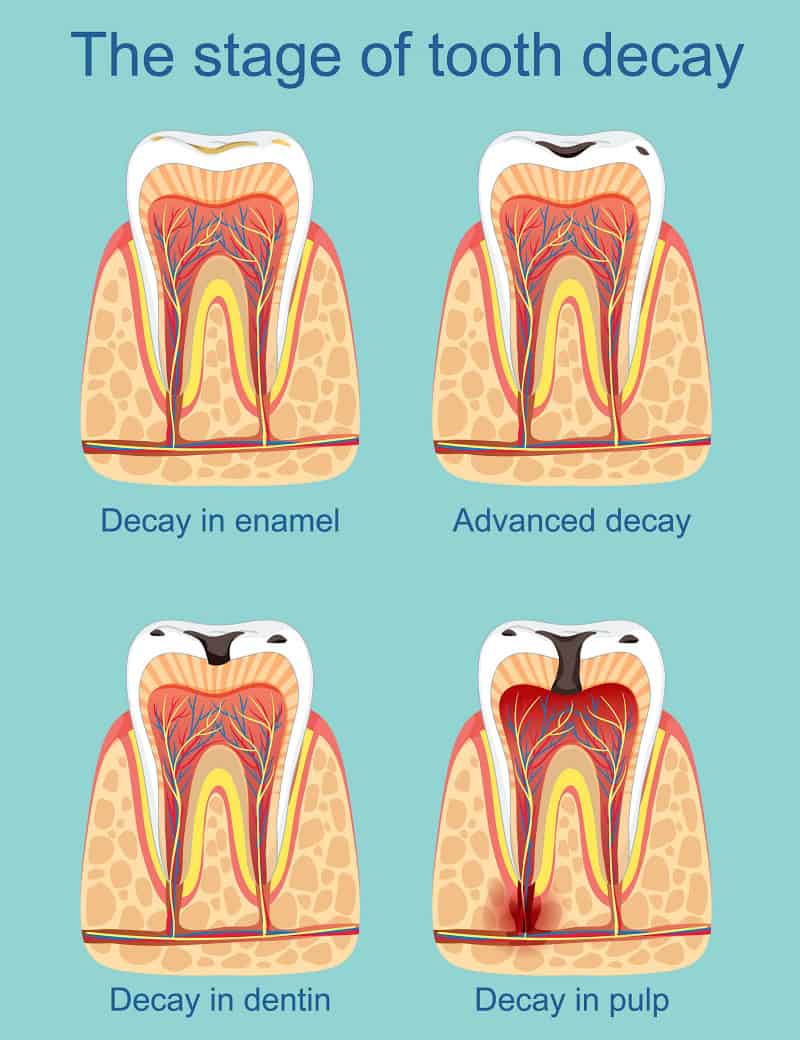
Decay doesn't heal or stop on its own. A filling removes it and seals the tooth, but left alone, a small cavity keeps spreading towards the nerve, and the tooth may then need root canal treatment, a crown or even an extraction.
Fixing it early is also the simplest and least costly option. A small filling keeps almost all of your natural tooth, takes one visit, and costs a fraction of the treatment a neglected tooth can need later. Once it's done, you can chew comfortably on that side again, and a white filling is very hard to spot.
Fillings, Bonding, Inlays and Onlays: What's the Difference?
All of these repair teeth, but each suits a different amount of damage, and we'll recommend the one that keeps the most of your natural tooth.
- White (composite) fillings repair small to medium cavities. We match the resin to the shade of your tooth and bond it in place, so it looks natural and supports the tooth around it.
- Bonding uses the same tooth-coloured material to repair chips, small gaps or marks on front teeth. It's quicker and less costly than veneers, and a good choice for smaller touch-ups.
- Inlays and onlays are made from porcelain by our dental lab to fit a larger cavity in a back tooth. They're stronger than a big filling, and they keep more of your tooth than a crown.
- Glass ionomer fillings release fluoride, and are sometimes used for children's teeth or near the gum line.
When a filling would be so large that it weakens the tooth, Dr Rostkier often recommends an onlay rather than a full crown. Because less healthy tooth is removed, there's less risk of sensitivity afterwards and fewer problems down the track. Our page on crowns and onlays explains them in more detail.

Replacing Old Silver (Amalgam) Fillings
Many patients ask about swapping old silver fillings for white ones, usually because they show when you laugh or smile.
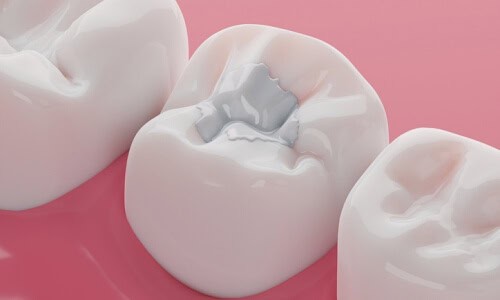
Amalgam is safe for most people, and the Australian Dental Association supports its use, so a sound silver filling doesn't need to come out. In keeping with his conservative approach, Dr Rostkier recommends replacing one when there's a good reason: it's cracked, it's breaking down at the edges, or there's decay underneath. We check your old fillings at every check-up for exactly these signs.
If a silver filling bothers you because of how it looks, tell us. We'll look at that tooth together and talk honestly about whether a white filling or an onlay would be the better replacement.
Fillings for Children
Parents often ask whether a baby tooth is worth filling when it will fall out anyway. Usually it is. Some back baby teeth stay in place until around age 12, and they hold the space the adult teeth need. Decay in a baby tooth can cause pain and infection, and it can spread to the teeth next to it.
Better still is a filling your child never needs. At their check-ups we look for early decay, show them how to brush well, and talk with you about fissure sealants and fluoride, which help protect young teeth. If a filling is needed, Dr Rostkier, a father of four, explains each step in words children understand and takes things at their pace.
What Happens at Your Appointment
What Happens at Your Appointment
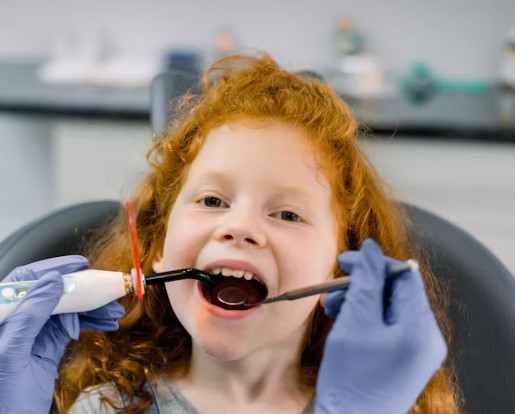
If you’re new to us, your first visit starts with an unhurried examination of your whole mouth, described below. If all you need is a filling or two, we can usually book it in straight away.
The filling itself is done in one appointment:
- Numbing the tooth. We numb the area with a local anaesthetic, so you’ll feel some pressure and vibration but no pain.
- Removing the decay. Dr Rostkier removes the decay or old filling and cleans the cavity, keeping as much healthy tooth as possible.
- Building the filling. He places tooth-coloured resin in thin layers, matched to your shade, and sets each layer with a blue curing light.
- Shaping and checking your bite. He shapes and polishes the filling so it feels smooth to your tongue, then checks that your teeth meet comfortably.
A small filling is quick, and a larger one takes longer; we’ll tell you how much time to allow when you book. You can eat once the numbness wears off, usually after an hour or two.
Why Balwyn Families Choose Us
The same dentist, visit after visit.
Your treatment is with Dr Rostkier every time, so the dentist who finds the problem is the one who fixes it and checks it at your check-ups for years afterwards. Many of our patients have been coming to him for 10, 15 or 20 years, and often their children and parents do too.
A thorough first visit.
Before he looks at a single tooth, Dr Rostkier spends 10 to 15 minutes finding out what you want from your dental care. He then checks your soft tissues (including a cancer screening), your jaw muscles, bite and gums as well as your teeth, and takes digital X-rays to see what's happening beneath the surface. A filling is only ever recommended as part of that bigger picture.
Time to explain, never rushed.
We book enough time to show you what we've found on your X-rays, explain why a tooth needs treatment, and answer your questions, so you leave knowing exactly what was done and why. And because we run on time, you can book around work or school pick-up with confidence.
Comfort for nervous patients.
An overhead screen with wireless headphones lets you watch Netflix or the sport during treatment, and the chair can give you a gentle massage while you're in it. If you feel anxious, tell us when you book: we'll take things at your pace, and you can ask us about sedation options.
Prevention first, so small problems stay small.
We pioneered one of Victoria's first dedicated hygiene departments, and it has been running for nearly 30 years. Regular cleans and check-ups with our hygienists catch decay early, while a small filling can still fix it.
Care for the whole family, without pressure.
We look after patients from young children to grandparents, often several generations of one family. If a tooth needs more than a filling, we'll talk you through every option and what it involves, and you decide in your own time.
Cost, Health Funds and Payment
The cost of a filling depends on its size, how many surfaces of the tooth it covers, and whether a larger repair such as an onlay would serve the tooth better. We'll explain what the tooth needs and give you a written, itemised estimate before we start, so there are no surprises.
Fillings are general dental treatment, so most health funds pay part of the cost under extras cover. We're a HICAPS provider, so you can claim on the spot and pay only the gap. We accept all major credit cards, cash and cheques, and payment plans are available for larger treatment. Medicare doesn't cover fillings for adults.
Meet Dr Steven Rostkier
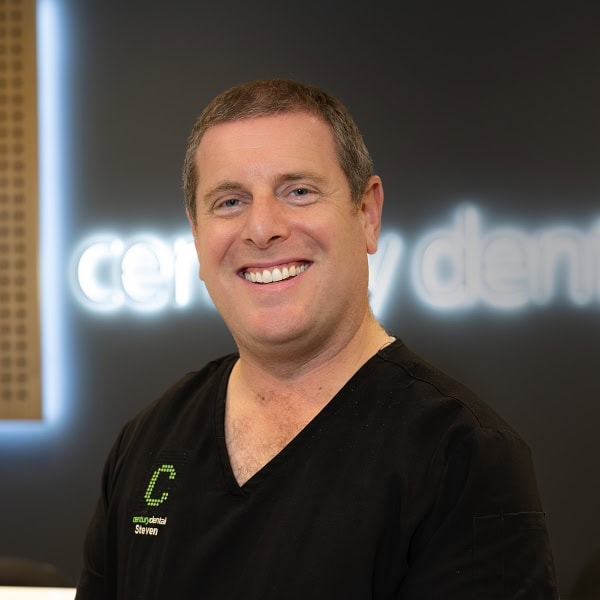
Dr Steven Rostkier grew up in Doncaster, just up the road, and wanted to be a dentist from a young age. He graduated from the University of Melbourne in 1999, spent 18 months working in England to broaden his experience, and has looked after patients in Balwyn since 2006. Since graduating, he has trained further in implant, cosmetic and sedation dentistry, and in endodontics (root canal treatment).
"My approach to dentistry is achieving high quality, precision results using the latest technology, but no gimmicks. All to achieve your individualised goals."
He takes a conservative approach, recommending the least treatment that will give you the result you want. The work he enjoys most is implants, crowns and onlays, veneers and gum health. A father of four, he's at ease with children and families, and outside the practice you'll find him on the golf course or tennis court, travelling, or barracking for Carlton.
Our Friendly Dental Team
From the moment you walk in, our team will make sure you feel welcome and well looked after, and our hygienists will help keep your teeth and gums healthy between visits.
What Our Patients Say


Visit Us in Balwyn
You'll find us at 2a/379-381 Whitehorse Road, on the north side between Balwyn Road and Yerrin Street, near the Balwyn Library and the Palace Balwyn cinema.
Opening Hours
Monday: 8:30am to 7pm
Tuesday to Thursday: 8am to 5pm
Friday: 8am to 4:30pm
Saturday and Sunday: closed
We run on time 95% of the time. On the rare occasion we’re behind, we’ll let you know before you arrive.
Getting Here
By car: there’s parking at the rear of our building, and street parking on Mangan Street and nearby side streets (check the signs for time limits). Call us and we’ll tell you the best spot for that time of day.
By tram or bus: take the 109 tram to Stop 47 (Balwyn Rd/Whitehorse Rd). It’s a two-minute flat walk to our door. The 285 bus from Camberwell or Doncaster also stops nearby.
Questions before you book?
Call us on (03) 9831 3272. We’re happy to talk through the process, the cost or how to find us.
Questions?
Not during treatment. We numb the tooth first, so most patients feel pressure and vibration rather than pain. The tooth may be a little tender for a day or two afterwards, which usually settles on its own.
You can eat and drink once the numbness wears off, usually after an hour or two; until then, take care not to bite your cheek or lip. The tooth may be sensitive to hot, cold or sweet food, or when you bite, for a few days. If it still is after that, or your bite feels high, call us and we'll adjust it.
We use tooth-coloured composite resin for most fillings, because it bonds to the tooth and matches its shade. Older fillings you may already have are often silver amalgam, and occasionally gold. Larger repairs on back teeth are usually porcelain inlays or onlays.
Usually 5 to 20 years, depending on the size of the filling, where it is in your mouth and how well you look after your teeth. Fillings can chip, wear or stain over time, so we check them at every check-up and clean.
The same way you look after your teeth: brush twice a day, clean between your teeth every day, and keep up your regular check-ups. If you grind your teeth at night, ask us about a guard, because grinding wears fillings and teeth alike.
For small and medium cavities, yes, and they look far better. A very large cavity in a back tooth that takes heavy chewing force is better restored with an onlay.
Yes. We check your existing fillings at each visit, and if one is cracked, leaking or has decay underneath, we'll recommend replacing it and explain why.
Most people are comfortable with a local anaesthetic alone, but if you're very nervous, ask us about sedation options when you book.
Removing a tooth usually costs less on the day, but replacing it later with an implant or bridge costs considerably more, and a gap lets the neighbouring teeth drift. Saving the tooth with a filling is usually the better choice, both for your mouth and in the long run.
Book Your Appointment
We see patients and families from Balwyn, Balwyn North, Deepdene, Surrey Hills, Box Hill, Kew, Canterbury and nearby suburbs.