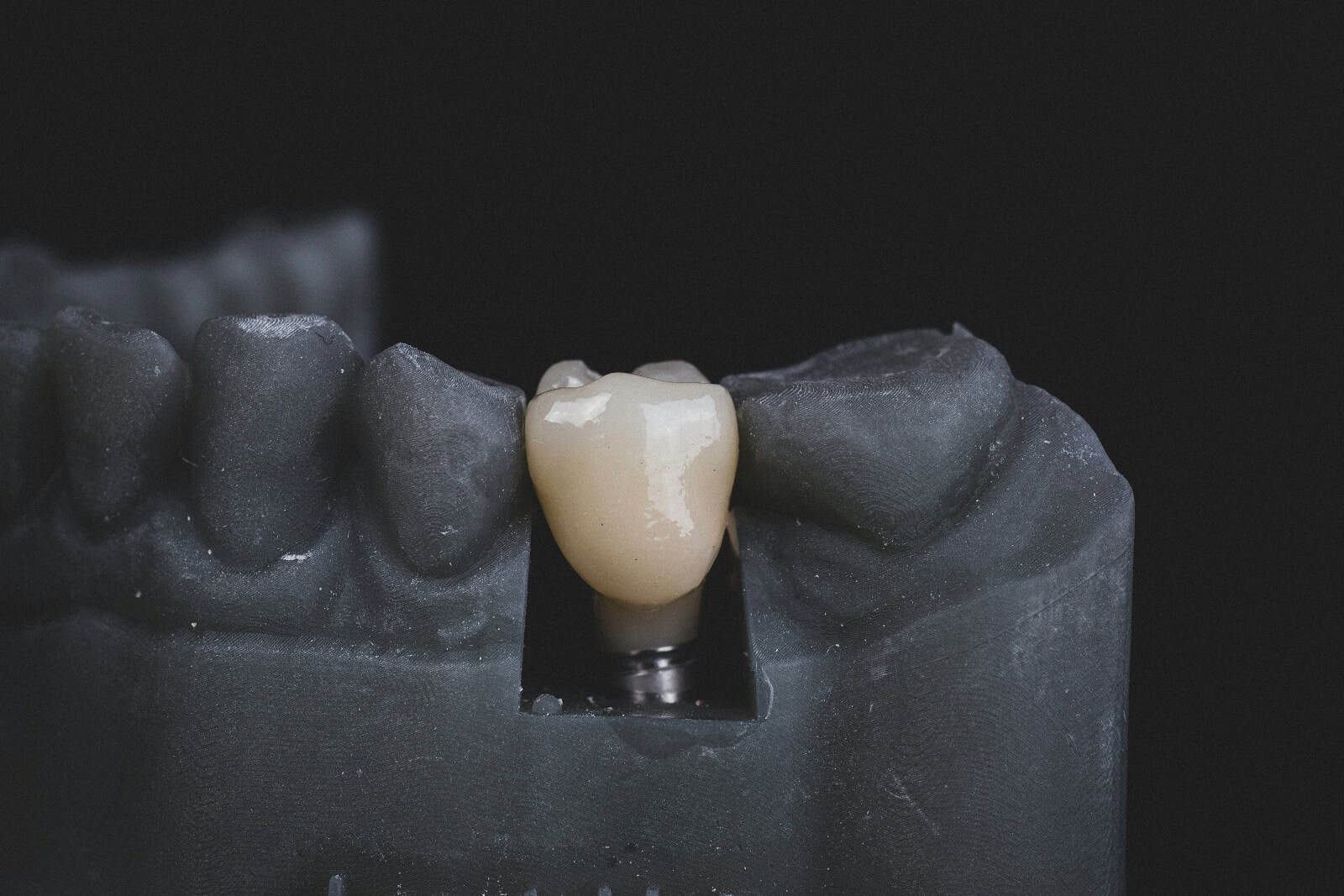


A dental crown is one of the more significant investments you will make in your oral health – so it is reasonable to want to know how long it will last. The answer is broader than most patients expect. A crown can last five years or thirty, and the difference comes down to the material chosen, how well it is looked after, and a handful of clinical factors that are worth understanding before you commit.
This article covers the realistic lifespan of dental crowns by material type, the factors that shorten or extend that lifespan, the warning signs that a crown is failing, and practical steps you can take to get the most out of your restoration. Whether you are considering a crown for the first time or monitoring one that has been in place for years, the information here applies.
Key Takeaways
- Most dental crowns last between 10 and 15 years; with excellent care, zirconia and metal crowns can exceed 25 years
- Crown material is the single biggest factor affecting lifespan – zirconia and full metal crowns outlast porcelain options on average
- Teeth grinding (bruxism) is the most common cause of premature crown failure – a night guard can significantly extend crown life
- Signs a crown needs replacing include pain under the crown, visible cracks, a dark line at the gumline, or persistent sensitivity
- Brushing, flossing around the crown margin daily, and attending regular check-ups are the three most effective ways to extend crown lifespan
- Precise fit at the time of placement directly impacts how long a crown survives – poor margins allow decay to undermine the restoration
How Long Do Teeth Crowns Last on Average?
The widely cited average for dental crown lifespan is 10 to 15 years, and peer-reviewed research broadly supports that figure as a reasonable median. In practice, the real range is much wider – from as few as five years for a composite resin crown under heavy bite forces, to well beyond 25 years for a well-maintained zirconia or gold crown.
Can a dental crown last a lifetime? It is possible, and many dentists have seen individual cases where a crown remains sound after 30 or even 40 years. But it is not the norm. Planning for eventual replacement at some point is more realistic than assuming a crown will never need attention.
Individual variation matters. A single dental crown on a front tooth faces different forces than one on a back molar. A patient who grinds at night puts very different demands on a restoration than one who does not. Diet, hygiene habits, and the precision of the original fit all create meaningful differences in dental crown longevity.
Crown Lifespan by Material – What the Research Shows
Material is the most predictable variable in dental crown durability. The table below summarises the main crown types and their expected performance.
| Crown Material | Average Lifespan | Strengths | Considerations |
|---|---|---|---|
| Zirconia | 15-25+ years | Extremely durable, natural appearance, biocompatible | Higher cost |
| Full metal (gold/alloy) | 20-30+ years | Most durable, gentle on opposing teeth | Gold colour limits aesthetic use |
| Porcelain-fused-to-metal (PFM) | 10-15 years | Strong core, tooth-coloured | Porcelain can chip; metal margin may show at gumline over time |
| All-ceramic / porcelain | 10-15 years | Best aesthetics, metal-free | More fracture-prone under heavy bite forces |
| Composite resin | 5-7 years | Lower cost | Least durable; often used as a temporary solution |
Zirconia crowns have become the standout performer in recent years. They combine high fracture resistance with a natural tooth-coloured appearance and strong biocompatibility – meaning the gum tissue tends to respond well around the crown margin. For patients who want longevity and aesthetics, zirconia crowns are increasingly the material of choice.
Full metal crowns – particularly gold alloy – remain the most durable option available. Gold is gentle on opposing teeth and adapts well to the margin. Metal alloy crowns are typically reserved for back molars where they are not visible, since most patients prefer a tooth-coloured restoration. Where gold crowns are appropriate, their success rate over 20-plus years is hard to match.
Porcelain-fused-to-metal (PFM) crowns were the standard for decades. They perform well, but the porcelain veneer can chip over time, and as the gum recedes slightly with age, a dark metal line may become visible at the gumline. This is primarily cosmetic, but it is the main reason many patients eventually choose to replace an older PFM crown.
Ceramic crowns and pure porcelain crowns deliver the best aesthetic result and are metal-free, which suits patients with metal sensitivities. They are more fracture-prone under heavy biting and chewing forces, however, so your dentist will consider the crown’s position in your mouth and your bite pattern before recommending this option.
At our Balwyn practice, we use CAD-CAM technology to design and mill crowns digitally. In many suitable cases, this allows the final crown to be fabricated in the same session – and because it is milled from a precise digital scan rather than a physical impression, the margins tend to be highly accurate. That precision at the crown edge contributes to longer crown life and better gum health over time.
What Affects How Long a Dental Crown Lasts?
Beyond material, several factors influence dental crown longevity – and most are within your control.
Oral hygiene habits
The crown itself cannot decay, but the tooth underneath it can. Poor oral hygiene allows bacteria to accumulate at the crown margin, causing decay that undermines the restoration from below – and once decay gets under a crowned tooth, the crown’s longevity is seriously compromised. Daily flossing at the crown margin is more important than most patients realise. A water flosser can help reach areas that standard floss struggles with. Brushing with fluoride toothpaste twice daily and using an antibacterial mouthwash can further reduce bacterial load at the margin.
Teeth grinding and clenching (bruxism)
This is the single most common cause of premature crown failure seen clinically. Teeth grinding generates forces far beyond normal chewing – enough to crack even zirconia in severe cases. If you grind at night, a custom night guard is one of the best investments you can make to protect a crown.
Diet and habits
Hard foods – chewing ice, hard lollies, bones – risk fracturing porcelain and ceramic crowns. Sticky foods can gradually weaken the dental cement bond over time. Nail biting, removing bottle caps with your teeth, and using natural teeth as tools are high-risk behaviours for any restoration. Avoiding sticky foods and hard objects is one of the simplest things you can do to protect crown material and extend the crown’s longevity.
Where the crown sits in your mouth
Front and back teeth experience very different loads. Molars bear significantly higher bite forces than front teeth, which is why material choice matters more toward the back of the mouth. A front crown placed for aesthetic reasons often survives longer simply because chewing forces are lower at that position.
Quality of placement
A well-fitted crown with precise margins reduces the risk of recurrent decay and gum disease at the crown edge. The skill of the treating dentist and the technology used during fabrication directly influence long-term survival. A poor original fit that leaves an open margin is one of the most predictable paths to early crown failure – dental cement can only compensate so much.
Signs Your Dental Crown Needs Replacing
Crowns rarely fail dramatically. Most show warning signs well before they fail completely, and recognising those signs early allows for simpler intervention.
Pain or sensitivity under the crown – particularly in response to pressure or temperature changes. This may indicate decay developing under the crown, a cracked underlying tooth, or a failing dental cement seal. New sensitivity around an established crown always warrants investigation.
Visible cracks or chips in the crown – especially relevant to porcelain crowns and ceramic crowns. A chipped crown can expose the underlying tooth structure or create rough edges that irritate the gum and cheek tissue. In some cases a broken tooth or damaged tooth underneath is the underlying cause of the fracture.
A dark line at the gumline – typical of older PFM crowns where the metal margin becomes visible as the gum naturally recedes over time. This is primarily an aesthetic concern, but it is worth discussing with your dentist at your next check-up.
A loose crown – dental cement failure or decay at the margin can allow the crown to shift. A loose crown needs prompt attention, because an open margin invites bacteria in quickly and raises the risk of gum disease developing around the site.
Swelling or persistent gum soreness around the crown – this may indicate a poorly fitting margin or an underlying infection that needs treatment.
The crown is simply old – even a clinically intact crown older than 15 to 20 years warrants assessment. The underlying tooth health may have changed, and the margin seal may no longer be as effective as it once was.
If any of these apply, book an assessment. Catching issues early almost always results in a simpler, less costly outcome than waiting.
How to Make Your Dental Crown Last Longer
These are practical dental care tips – not generic advice. With proper care, you give your crown the best possible chance of reaching or exceeding its expected lifespan.
- Floss daily at the crown margin. Use floss threaders or a water flosser if standard floss is difficult to manoeuvre around the crown. This is the single highest-impact oral hygiene habit for crown longevity.
- Use a soft-bristled toothbrush with fluoride toothpaste. Medium or hard bristles can erode the dental cement at the crown edge over time, weakening the seal.
- Avoid biting hard objects. Chewing ice, hard sweets, bones, pen lids – reserve this caution particularly for porcelain crowns and ceramic crowns, which are more susceptible to fracture.
- Wear a night guard if you grind. The guard is far cheaper than a crown replacement, and it protects both the crown and the opposing teeth from the excessive chewing forces generated by bruxism.
- Attend regular dental visits every six months. Your dentist will assess the crown margin, the underlying tooth, and the gum health at each visit. Proper diagnosis of early problems is far simpler to address than issues left to progress. The better your chances of a long-lasting crown, the more consistent your check-up attendance needs to be.
- Report sensitivity promptly. Do not wait until a problem becomes acute. New sensitivity around a crown is a signal worth investigating sooner rather than later.
What Happens When a Crown Fails?
When a crown reaches the end of its life, the path forward depends on the condition of the tooth underneath.
If the underlying tooth is intact or restorable, the old crown is removed and a new permanent crown is placed. This is the most common outcome, and the process is straightforward. In the Melbourne market, dental crown costs typically range from $1,200 to $2,500 depending on material and complexity – planning for eventual replacement as part of your overall good oral health is sensible.
If the underlying tooth has failed – extensive decay reaching the root, or a root fracture – the tooth may need extraction. Missing teeth left untreated can cause the surrounding natural teeth to shift and affect your bite over time. In that case, a dental implant is typically the best long-term solution, with the implant placed by a specialist and the final crown fitted by your treating dentist.
Early intervention when warning signs appear almost always results in a simpler, less costly outcome.
Frequently Asked Questions About Dental Crown Lifespan
Do dental crowns last longer on front teeth than back teeth?
Front crowns often last longer in practice because front teeth experience lower bite forces than molars. However, front crowns placed for cosmetic reasons – typically porcelain or ceramic – can be more vulnerable to fracture if you bite directly into hard foods. Your dentist will recommend the most appropriate material based on the crown’s position and how you use your teeth.
Can a crown last more than 30 years?
Yes – there are documented cases of full metal crowns surviving 40 or more years. However, this is the exception rather than the rule and depends on near-perfect oral hygiene habits, no bruxism, and regular monitoring. Most patients should plan for eventual replacement at some point, even if the crown itself remains structurally sound.
Does the cement holding a crown ever fail?
Dental cement failure does occur, particularly with older crowns. It typically presents as the crown feeling slightly loose or as new sensitivity at the margin. The crown itself may be intact and can often be recemented if the underlying tooth is healthy – but this needs prompt attention to prevent decay entering the exposed margin.
How soon after getting a crown should I expect problems?
Most issues that are going to arise occur within the first year – lingering sensitivity to temperature, bite problems, or signs the underlying tooth is not responding well. A crown that settles without issues in the first 12 months is a positive sign for long-term survival.
Is it normal for a crown to feel different to my natural tooth?
A slight difference in sensation is normal, particularly for the first few weeks. Your bite may take a short time to adjust. If the crown feels significantly high in your bite, or if discomfort persists beyond two to three weeks, contact your dentist – the bite can be adjusted easily at that stage.
Will my health fund cover the cost of replacing a crown?
Many Australian health fund extras policies include partial cover for dental crowns, including replacements. The rebate amount varies by fund and level of cover. Check with your health fund before treatment – your dentist’s practice can provide the relevant item numbers to help you confirm your entitlements.
What is the difference between a crown and a veneer in terms of lifespan?
Veneers typically last 10 to 15 years, similar to porcelain crowns, but they only cover the front surface of a tooth rather than encasing it fully. Crowns are generally more durable in high-bite-force situations because they protect the entire tooth structure. Your dentist will recommend one over the other based on how much natural tooth enamel and tooth structure remains.
Can I get a crown on a tooth that already had a crown?
Yes – recrowning a tooth is common, provided the underlying tooth structure is adequate to support a new restoration. If the tooth has been significantly weakened by repeated decay or treatment, your dentist will assess whether a crown is still viable or whether alternative options are more appropriate. Proper diagnosis at this stage is essential to successful treatment.
At Our Balwyn Practice
Dr Steven Rostkier has been placing and monitoring dental crowns in Balwyn for over 25 years. That experience means he has seen first-hand what makes crowns last and what causes them to fail early – and he uses that knowledge to guide material selection, preparation, and fit for every patient.
The practice uses CAD-CAM technology to design and fabricate crowns with precise digital accuracy. Combined with unhurried appointments and thorough margin preparation, this approach is designed to give every crown the best chance at a long, functional life.
If you have an existing crown that has been in place for more than 10 years, or if you are experiencing any of the warning signs discussed above, a check-up assessment is a sensible next step.
Call (03) 9831 3272 or book online to arrange an appointment.
This content is for general information only and does not constitute clinical advice. Individual treatment costs and outcomes depend on assessment findings specific to each patient.