


Does just the thought of visiting the dentist make your stomach turn? You’re not alone. Dental anxiety affects around 36% of Australians, and about 12% avoid going to the dentist entirely because of dental fear.
This fear is real and valid – but it doesn’t have to control your life. Modern dentistry has changed dramatically. The tools are quieter, the techniques are gentler, and dentists now receive training specifically in working with anxious patients.
This article will show you practical strategies to manage dental anxiety, help you find the right dentist, and guide you toward taking that crucial first step. Whether you haven’t been to a dentist in months or decades, 2026 can be the year you finally overcome dental anxiety.
Understanding Dental Anxiety
Is Dental Anxiety a Mental Illness?
Dental anxiety and dental phobia are both recognized in the Diagnostic and Statistical Manual of Mental Disorders as legitimate anxiety disorders. Dental anxiety is nervousness or worry about dental visits – it’s manageable but uncomfortable. Dental phobia is an intense, irrational fear that can be completely debilitating. Both can be addressed with the right approach and coping strategies.
What Triggers Dental Anxiety?
Several common triggers cause dental anxiety:
Fear of pain – Often based on outdated experiences or stories from others. Modern anesthetics are highly effective, and most dental procedures involve minimal discomfort.
Loss of control – Lying back in the dentist’s chair with your mouth open, unable to speak, can feel vulnerable and helpless.
Past trauma – A bad childhood experience or painful procedure can create lasting dental fear that affects you for years.
Embarrassment – Many people feel ashamed about the condition of their teeth, especially after years of avoidance.
The sounds and smells – Dental office sounds (especially drills) and clinical smells in dental offices trigger anxiety in many people.
Needle phobia – Fear of injections is one of the most common triggers for anxious patients.
Gagging sensations – Traditional impressions or instruments touching the soft palate can cause discomfort.
Why Avoiding the Dentist Makes Things Worse

When you avoid dental care, small dental problems become big problems. A minor cavity that could have been a simple filling turns into a costly dental procedure like a root canal. Early gum disease that could have been managed with a deep cleaning progresses to bone loss and missing teeth.
The financial cost grows too. Regular dental check-ups and preventive care cost far less than emergency procedures and major restorations.
There’s also a social cost. Many people hide their smiles, avoid photos, and feel self-conscious in professional settings because of dental problems that could have been prevented.
Worst of all, avoidance creates a vicious cycle. The longer you stay away from dental visits, the more dental anxiety builds, and the more dental problems accumulate – making the eventual visit even more intimidating and requiring more stressful dental treatments.
Why Modern Dentistry Is Different
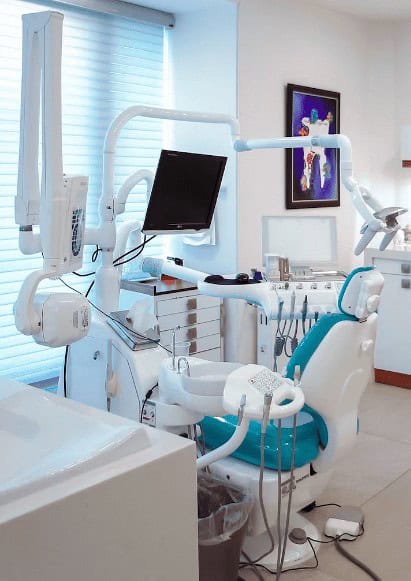
If your dental anxiety stems from past experiences, here’s what you need to know: dentistry in 2026 is genuinely different from what you might remember.
Technology That Reduces Discomfort
Digital impressions have replaced those gag-inducing trays filled with goopy material. Now dentists use a small wand that scans your teeth in a few minutes – no gagging, no discomfort.
Quieter, more efficient tools mean less time in the dental chair and less of that nerve-rattling drill sound that triggers so many people.
Better anesthetics work faster, last longer, and numb more effectively than older options. Many patients report feeling nothing during dental treatment.
Digital X-rays are faster and more comfortable than traditional film X-rays, with significantly less radiation exposure.
Laser dentistry allows some dental procedures to be performed with minimal discomfort and faster healing times.
A Patient-Centered Approach
Modern dental practices prioritise your comfort and communication. The “tell-show-do” technique – where dentists explain what they’ll do, show you the instruments, then perform the procedure – has become standard practice in dental offices.
Dentists now understand that rushing anxious patients makes everything worse. Good dental practices allow adequate time for dental appointments so you never feel pressured.
Comfort Has Become Standard
Many dental offices now offer amenities designed to reduce anxiety: noise-canceling headphones, calming music, comfortable pillows, warm blankets, and even aromatherapy. Some practices have TVs or tablets mounted so you can watch during procedures. These elements create a more relaxing dental environment.
Most importantly, dentists receive more training in recognizing and managing dental anxiety. Your fear is taken seriously, not dismissed as “just nerves.” A supportive dental team makes all the difference.
For example, at Dr. Steven Rostkier’s dental practice in Balwyn, the dental setting is designed to feel more like a sanctuary than a clinical space – soft music, natural light, and massaging chairs help patients feel calm. The practice has built a reputation over 25+ years for helping anxious patients overcome dental anxiety, with dental appointments that aren’t rushed and a dental team known for their warmth and patience.
8 Practical Strategies to Manage Dental Anxiety
How Do You Deal with Dental Anxiety?
Managing dental anxiety requires a combination of practical coping strategies and the right support. Here are eight proven approaches to help you overcome dental anxiety:
1. Start with a Consultation Only
Book a dental appointment just to meet the dentist and discuss your concerns – no dental treatment, no commitment. This low-pressure visit lets you tour the dental clinic, ask questions, and see if you feel comfortable with the supportive dental team. Many anxious patients find this removes the biggest barrier: not knowing what to expect in the dental setting.
2. Schedule Morning Appointments
Book your dental visits early in the day when your mind is fresher and stress levels are naturally lower. Morning appointments give you less time to build up worry throughout the day. You won’t spend hours with the dental appointment hanging over your head, and you can avoid caffeine beforehand if that helps you feel calm.
3. Bring a Support Person
Most dentists welcome a friend or family member to sit with you during dental treatment. Having a family member accompany you can provide emotional support, hold your hand, or simply be present to significantly reduce anxiety. A friend or family member can also help you remember post-appointment instructions and drive you home if needed, especially if you use sedation options.
4. Use Relaxation Techniques
Practice these relaxation techniques before and during your dental appointment:
Deep breathing (4-7-8 technique): Breathe in for 4 counts, hold for 7, exhale for 8. These deep breathing exercises activate your body’s relaxation response and help reduce anxiety in a few minutes.
Progressive muscle relaxation: Tense and release each muscle group, starting with your toes and working up to your face. This muscle relaxation releases physical tension that accompanies dental anxiety and helps you feel calm.
Start practicing these relaxation techniques a week before your dental appointment so they become automatic when you need them. Many anxious patients find that consistent practice makes these coping strategies more effective.
5. Establish Hand Signals
Before dental treatment starts, agree on a non-verbal signal with your dentist – typically raising your hand means “stop immediately.” Knowing you can pause the dental procedure anytime removes the feeling of helplessness. You’re always in control in the dentist’s chair, even when you can’t speak.
6. Be Specific About Your Fears
Tell your dentist exactly what scares you. “I hate the sound of the drill” or “I gag easily” or “I’m terrified of needles” gives them specific information to work with. They can then modify their approach – using more numbing gel before injections, working in shorter sessions, explaining each step, or avoiding your triggers where possible. This communication helps dentists deal with anxious patients more effectively.
7. Use Distraction Techniques
Bring headphones and create a playlist of calming music, podcasts, or audiobooks that absorb your attention. Hold a stress ball to give your hands something to do and help release tension. Some people visualise a calm place or count ceiling tiles. These distractions occupy your mind and reduce your focus on the dental procedure.
8. Consider Sedation Options
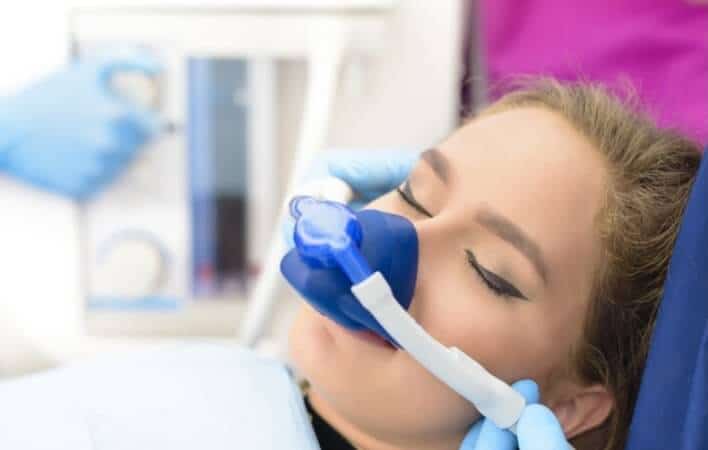
For moderate to severe dental anxiety, sedation dentistry can help you manage dental anxiety more effectively. There are other forms of anxiety relieving medication available:
Nitrous oxide (laughing gas): Mild inhalation sedation that wears off quickly. You stay awake but feel relaxed and calm. Nitrous oxide is one of the most common forms of sedation dentistry.
Oral sedatives: Take a pill before your dental appointment for moderate relaxation. You’ll need a family member to drive you. Some practices call this sleep dentistry, though you remain conscious.
Conscious sedation (IV sedation): Deeper relaxation while still responsive. IV sedation is used for longer dental procedures or severe anxiety.
General anesthesia: Complete unconsciousness and deep sleep, reserved for extreme cases or extensive dental work.
Discuss these sedation options with your dentist to find what’s appropriate for your anxiety or phobia level and the dental treatment needed.
When Professional Help Makes Sense
If you have severe dental anxiety or dental phobia – preventing you from even making a phone call – consider working with a mental health professional first. Cognitive behavioral therapy (CBT) helps you identify and change negative thought patterns about dentistry. Exposure therapy gradually desensitizes you to dental environments, starting with small steps like driving past a dental office. Many people benefit from combining professional therapy with dental care to address underlying anxiety disorders.
Finding the Right Dentist for Dental Anxiety
How Do Dentists Deal with Anxious Patients?
Not all dentists are equally equipped to handle anxious patients. Finding the right dentist makes an enormous difference in your experience. The best dentists use a combination of communication, coping strategies, relaxation techniques, and sedation options to help you manage dental anxiety.
What to Look For
Experience with anxious patients. Look for dentists who explicitly mention working with nervous patients on their website or in reviews. This isn’t something all dentists prioritize, so when you find one who does, it’s a good sign for managing dental anxiety.
Patient reviews mentioning dental anxiety. Read reviews carefully. Look for phrases like “I was terrified but…”, “I hate dentists but Dr. [Name] made me feel comfortable,” or “I hadn’t been in 10 years because of dental fear.” Multiple mentions of gentleness, patience, and taking time are strong indicators that the dental practice understands severe dental anxiety.
Modern technology and sedation options. Dental practices with digital impressions, up-to-date equipment, and multiple sedation options (from nitrous oxide to IV sedation) show investment in patient comfort and helping you overcome dental anxiety.
Communication style. The right dentist should explain dental procedures clearly, answer all questions without rushing, and listen to your specific concerns. They should never dismiss your dental anxiety or dental phobia as trivial.
Welcoming dental team and dental environment. From the receptionist to the dental hygienist, the entire supportive dental team should be warm and accommodating. A calm, pleasant dental setting helps reduce anxiety the moment you walk in.
Adequate appointment times. Dental practices that aren’t rushed allow proper time for anxious patients. If reviews mention the dentist always running late or feeling hurried, that’s not ideal for someone managing dental anxiety.
Questions to Ask When Calling
- “Do you have experience treating patients with dental anxiety or dental phobia?”
- “Can I book a consultation without committing to dental treatment?”
- “What sedation options do you offer for anxious patients?”
- “Can a friend or family member sit with me during my dental appointment?”
- “What happens if I need to pause during a dental procedure?”
- “How do you typically work with patients who haven’t been to a dentist regularly in years?”
Red Flags to Avoid
Steer clear of dentists who dismiss your concerns with “You’ll be fine” without listening, rush you into dental treatment decisions on the first visit, make you feel judged about your dental condition, or seem annoyed by questions. Trust your instincts – if something feels off, keep looking for the right dentist.
A Balwyn Option for Anxious Patients
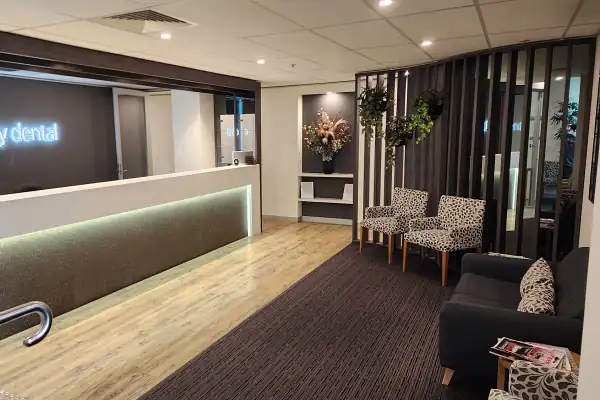
For those in Melbourne’s eastern suburbs, Dr. Steven Rostkier’s dental clinic in Balwyn has over 25 years of experience helping nervous patients overcome dental anxiety. Patient reviews consistently highlight his calm, patient approach and the dental team’s genuine warmth.
The dental practice offers modern technology including digital impressions and an intraoral scanner, experience with sedation dentistry including various sedation options, and a welcoming dental environment designed to feel more like a sanctuary than a clinical space. Many long-term patients specifically mention they had severe dental anxiety initially but now feel comfortable – some even travel from across Melbourne despite having moved away.
The reception team are noted for being friendly and accommodating, while dental hygienist Jocelyn is praised for being gentle and thorough. The dental practice runs on time 95% of the time, so you won’t be left in the waiting room building up anxiety.
Dr. Rostkier serves Balwyn and surrounding suburbs including Canterbury, Camberwell, Surrey Hills, Deepdene, Box Hill, and Hawthorn.
Contact: (03) 9831 3272 | 2a/379-381 Whitehorse Rd, Balwyn VIC 3103
Your Action Plan
How to Stop Being Anxious About Teeth
Understanding dental anxiety is one thing – taking action is another. Here’s how to move from reading about it to actually doing it, even if you have a busy schedule.
Simple Steps to Get Started
1. Research dentists. Spend 15 minutes searching “dentist [your suburb] anxiety” and reading reviews. Look specifically for mentions of nervous patients and gentle care. Make a short list of 2-3 dental practices that feel right.
2. Make the call. This is often the hardest step. Use this script: “I have dental anxiety and haven’t been to a dentist in [X] years. Do you have experience working with nervous patients?” Ask about consultation-only appointments and sedation options. You don’t have to book anything on this call – just gather information to mentally prepare.
3. Prepare for your first dental visit. Practice your relaxation techniques and deep breathing exercises daily for a week before. Arrange for a support person or family member to come with you if that helps provide emotional support. Plan to arrive 10 minutes early so you’re not rushed. Bring headphones and a playlist with calming music. Remember: this first dental appointment is just an assessment. No one will force you into dental treatment.
4. Start small. Your first dental appointment should just be an exam and consultation. Get comfortable with the dentist and the dental environment. Build trust before tackling any dental treatment. Each positive experience makes the next dental visit easier.
5. Maintain regular dental visits. Once you’ve had a successful first visit, schedule your next dental appointment before you leave. Aim for regular dental check-ups every six months to see your dentist regularly. Regular dental care means catching dental problems early when they’re small and simple to fix. It also builds familiarity – the dental team becomes people you know, and the dental environment becomes routine rather than threatening.
Make Your Resolution Stick
Set a specific, achievable goal. “Book a dental consultation by January 31” is better than “deal with my dental anxiety.” Break it into the smallest possible step you can accomplish this week.
Tell someone. Share your goal with a friend or family member who can check in and provide emotional support. Accountability helps when trying to overcome dental anxiety.
Reward yourself. Plan something enjoyable after your dental appointment – a favourite meal, a movie, something you’ve been wanting. Positive reinforcement makes you more likely to follow through next time.
Don’t beat yourself up over setbacks. If you cancel a dental appointment, reschedule immediately. One setback doesn’t mean failure. Progress isn’t linear. What matters is that you keep moving forward in your journey to manage dental anxiety.
The Benefits: What Changes When You Overcome Dental Anxiety
Overcoming dental anxiety improves your life in ways that extend far beyond your mouth.
Better Oral Health and General Health, Less Pain
When you attend regular dental check-ups, small dental problems get caught early. A tiny cavity becomes a simple filling instead of a costly dental procedure like a root canal. Early gum disease gets managed with a deep cleaning instead of requiring surgery. You keep your natural teeth longer, avoid infections, and stop living with chronic tooth pain or sensitivity.
The connection between oral health and overall health is well-established. Poor oral health and gum disease are linked to heart disease, diabetes complications, and other health problems. Taking care of your oral health through regular dental care supports your general health and helps prevent systemic health problems.
Significant Financial Savings
Preventive dental care costs a fraction of emergency dental treatment. Regular dental check-ups cost $150-250. Compare that to costly dental procedures: a root canal and crown at $2,500-4,000, or an extraction and implant at $4,000-7,000. When you catch dental problems early by going to the dentist regularly, you save thousands of dollars over your lifetime and avoid costly dental procedures.
Confidence You Can Feel
When your oral health is good, you smile freely. You don’t avoid photos or cover your mouth when you laugh. You feel more confident in job interviews, social situations, and relationships. Many people don’t realize how much their dental anxiety and resulting dental problems have been holding them back until they finally address it.
Breaking the Cycle
Here’s the best part: each positive dental visit reduces your dental anxiety for the next visit. Your brain learns that dental appointments are manageable, not catastrophic. After a few successful dental visits, you might even find yourself not minding going to the dentist – something that seems impossible right now but happens to countless formerly anxious patients who managed to overcome dental anxiety.
You also break the cycle for the next generation. When your children see you attending regular dental check-ups without dental fear, they develop healthy attitudes toward dental care rather than inheriting your dental anxiety.
Frequently Asked Questions
What if I haven’t been to a dentist in 10+ years?
You’re far from alone – many people with dental anxiety avoid going to the dentist for years. Good dentists see this regularly and won’t judge you. The first dental visit is just assessment. Yes, there may be more dental work needed, but it can be broken into manageable dental appointments scheduled at your comfort level.
Will the dentist judge me for neglecting my oral health?
A good dentist won’t judge you. They understand dental anxiety and dental phobia are real anxiety disorders and they’re simply glad you’ve come in. If a dentist makes you feel judged or ashamed, find a different one who has experience with anxious patients. You deserve compassionate dental care.
What if I panic or cry during my dental appointment?
This happens more often than you’d think with anxious patients. A supportive dental team knows how to handle it – they’ll stop, give you a break, and adjust their approach. Having an emotional response doesn’t mean you’ve failed. It means you’re human and you’re facing a dental fear, which is actually brave. Your dental team can provide emotional support.
How much will my first dental appointment cost?
Initial consultations typically range from $80-150 for the exam, with X-rays costing an additional $50-150. Ask about costs when you call so there are no surprises. Check what your private health insurance covers – most extras cover includes regular dental check-ups and preventive dental care.
Do I have to commit to dental treatment on the first visit?
Absolutely not. The first dental visit should be assessment only. Take the treatment plan home, think about it, research your options, even get a second opinion. Any dentist pressuring you into immediate dental treatment is a red flag.
Can I bring a friend or family member with me?
Most dentists allow and even encourage a support person for anxious patients. A family member or friend can sit in the room with you, hold your hand, and provide emotional support. Just ask when you book your dental appointment.
What if I need to stop in the middle of dental treatment?
Just raise your hand or use whatever signal you established. Good dentists expect this from anxious patients and will stop the dental procedure immediately, no questions asked. You can take a break, practice your deep breathing, and either continue or reschedule. You’re always in control in the dental chair.
What sedation options are available for dental anxiety?
Sedation options range from nitrous oxide or laughing gas (mild, wears off quickly) to oral sedatives (moderate relaxation) to conscious sedation or IV sedation (deeper relaxation) to general anesthesia (complete deep sleep). Not all dental practices offer all sedation options, so ask when researching. Sleep dentistry or inhalation sedation can help you manage dental anxiety effectively. Your dentist can help you determine what anxiety relieving medication is appropriate for your severe anxiety level.
Conclusion
Dental anxiety affects millions of Australians, but it doesn’t have to control your life. Modern dentistry offers better technology, gentler techniques, and dentists trained to work with anxious patients using proven coping strategies and relaxation techniques. With the right approach and the right dentist, you can overcome dental anxiety and break free from the cycle of avoidance.
The hardest part is taking that first step – but it’s also the most important one. Research a dentist, make a phone call, book a consultation. Start small, and each success will build your confidence for the next dental visit.
2026 can be the year you finally take control of your oral health and overcome dental anxiety. Your future self will thank you for starting today.