

Are you considering dental implants in Melbourne? The average costs range from $3,000 to $7,500, influenced by factors such as the type of implant and procedural complexity. This guide covers everything you need to know about costs, procedures, and choosing the right dental professional for your implant journey.
Quick Facts About Dental Implants in Melbourne
- Average cost per implant: $3,500-$5,500
- Treatment duration: 3-12 months
- Success rate: Over 95% with qualified professionals
- Longevity: 20-40 years with proper care
- Medicare: Generally not covered
- Private Health Insurance: Partial coverage available
Base Costs of Dental Implants in Australia
Here in Australia, you’ll find quite a range in fees that different dentists charge. For a straightforward dental implant procedure, the cost typically ranges from $3,500 to $5,500.
When considering Melbourne dental implants, it’s important to understand the procedures involved and the importance of considering individual health conditions to determine candidacy for implants.
If you’re having multiple implants done, the cost per implant actually comes down. You might be looking at somewhere between $3,000 to $4,000 per tooth when having several implants placed at once. This makes it more cost-effective to have multiple implants done rather than just replacing a single tooth.
Average Dental Implant Cost in Melbourne
The average cost of dental implants in Melbourne can range from $3,000 to $5,000 per implant. This variation depends on several factors, including the type of implant, the materials used, and the complexity of the procedure.
For instance, premium implant brands and advanced surgical techniques can increase the overall cost. Additionally, the total cost will vary based on the number of implants needed and the type of restoration required, such as crowns, bridges, or dentures.
Why Do Dental Implant Costs Vary So Much?
You might wonder why dental implant costs can range from under $2,000 all the way up to $7,000 or $8,000. There are three primary factors that influence these costs:
The first factor is the type of implant being used.
Dental implants are an amazing treatment modality that lasts a long time – up to 20, 30, or even 40 years. However, implant companies don’t always last as long as the implants themselves. Dozens of companies have appeared and disappeared just as quickly. Quality dental implants not only improve patients’ smiles and overall dental health but also offer a reliable and long-lasting solution for restoring missing teeth.
This is why choosing an implant from one of the major companies is crucial. While these premium brands charge more for their implants, they provide long-term support and accessibility to parts, documented success rates from scientific studies, and peace of mind that if complications arise in the future, you’ll have access to the equipment needed to fix any issues.
The second factor is surgical expertise.
The osteointegration (bone integration) around implants is a tricky process. You want someone who does this procedure all the time, has completed proper postgraduate training (not just a weekend course), and specialises in dental implants as their primary focus.
The third factor is crown manufacturing and laboratory work.
The final costs are significantly influenced by whether genuine implant parts are being used and if the work is done by a master ceramist in Australia. The key is ensuring that the teeth not only look natural but also function well with properly balanced forces. This requires expertise at every step, from planning to final placement. Additionally, the costs associated with an implant crown can vary based on factors such as the number of teeth to be replaced and any additional procedures like bone grafting.
Additional Costs and Procedures
When planning for dental implants, sometimes additional procedures might be necessary. The most common procedure is bone grafting – if you need extensive bone regeneration before having an implant placed, this will add somewhere between $2,000 to $3,500 to your treatment cost.
Additionally, it’s important to consider the costs associated with various dental implants, including implant-supported dentures, which can vary based on factors such as the number of implants and the complexity of the procedures.
The Treatment Planning Process
After your initial consultation and scan, you’ll receive a comprehensive treatment plan that outlines all associated fees and item numbers for insurance purposes. This is extremely helpful because it allows you to make an informed decision about your treatment, check with your insurance provider about coverage, and plan your finances accordingly.
Treatment Timeline and Costs
One thing that’s really helpful to know is that a dental implant is actually a process, not a one-time procedure. The complete treatment can take anywhere from three to twelve months to complete.
This extended timeline actually works in your favour financially because not all payments are due at once. You have time to save between treatment stages, which means you might not even need a formal payment plan. Instead, you can spread the cost over the duration of your treatment.
What to Expect During Your Initial Consultation
During your first visit, we’ll need to assess your suitability for dental implants and take necessary scans. Based on this information, we’ll develop a customised treatment plan and discuss any additional procedures you might need. This thorough planning stage is crucial because it ensures there are no surprises along the way, both clinically and financially.
What are Dental Implants?
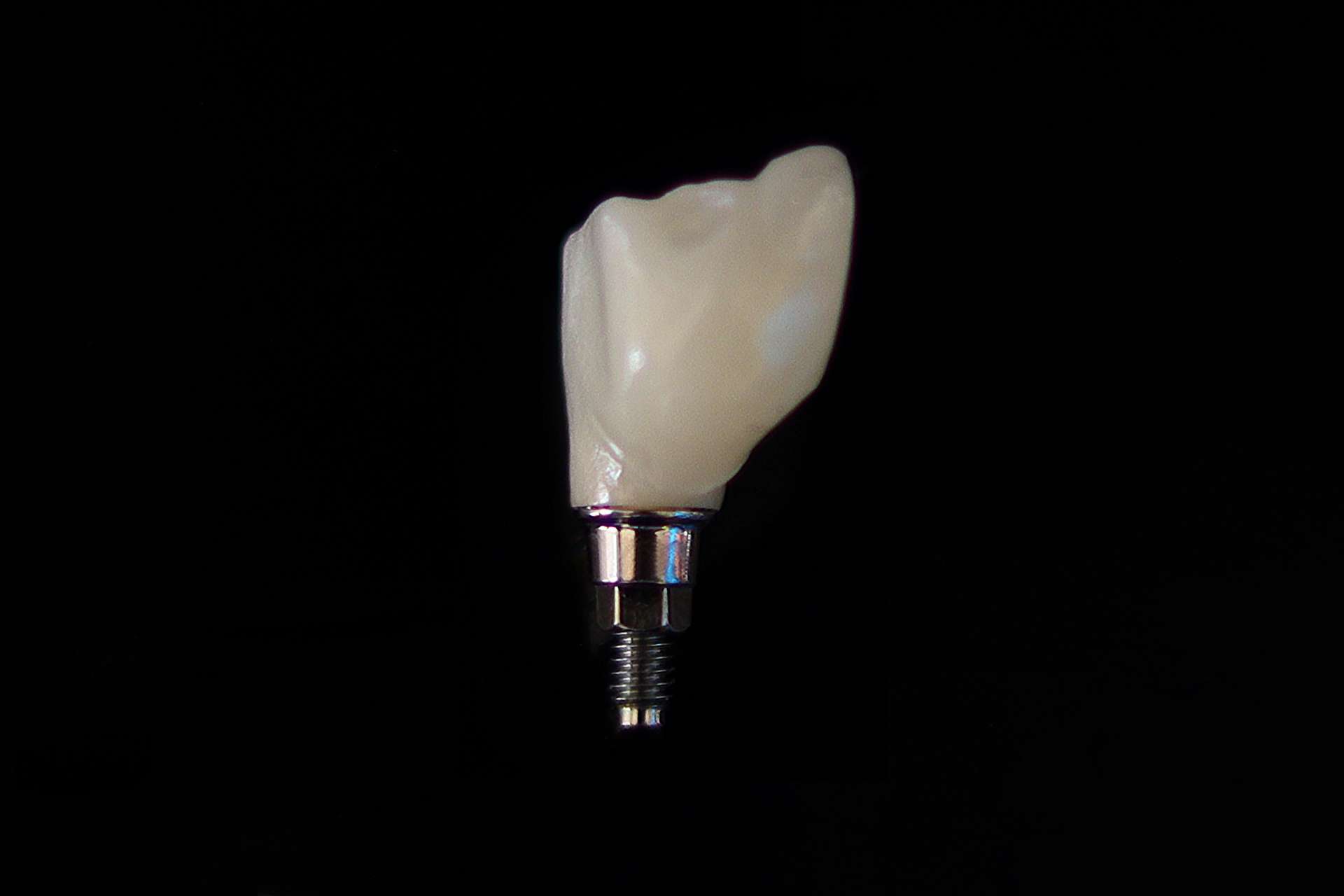
A dental implant is a kind of artificial tooth that involves placing titanium into the jawbone to create a new tooth root. The process is a marvel, because bone naturally bonds with titanium through a process called osseointegration. Once this integration is complete, a new tooth (or crown) can be attached to the titanium foundation. The crown is usually made from porcelain and looks just like a natural tooth. Dental implant surgery involves comprehensive care and specialised techniques to ensure successful outcomes, including bone density assessments and patient-specific treatment plans.
The key benefit of implants is that they provide a single-tooth solution for a single-tooth problem. With healthy teeth on either side, there’s no need to modify them – the missing tooth can be replaced independently. This makes implants particularly beneficial when the surrounding teeth are in good condition.
The process does require implant surgery and a healing period. A temporary tooth solution is provided during this time. It’s important to note that some cases require additional steps – if there isn’t sufficient natural bone present, bone grafting or soft tissue grafting may be necessary first.
Definition and Explanation
Dental implants are artificial tooth roots made of titanium that are surgically inserted into the jawbone to support a dental crown, bridge, or denture. These implants are designed to mimic the natural tooth root, providing a stable foundation for artificial teeth.
Dental implants are a popular solution for replacing missing teeth, restoring oral function, and enhancing overall quality of life. By integrating with the jawbone, they offer a durable and long-lasting option that feels and functions like a natural tooth. Whether you’re missing a single tooth or multiple teeth, dental implants can help you regain a confident smile and improve your oral health.
Benefits of Dental Implants
Dental implants offer numerous benefits that make them a preferred choice for many patients. Firstly, they provide a natural appearance and feel, closely resembling natural teeth. This not only restores your smile but also boosts your confidence and self-esteem. Secondly, dental implants significantly improve oral function, allowing you to eat, speak, and chew with ease, thereby enhancing your overall quality of life.
Another major advantage is their longevity. With proper care, dental implants can last for many years, making them a cost-effective solution in the long run. They also help in bone preservation by preventing bone loss and facial sagging, which can occur when teeth are missing. Lastly, dental implants offer convenience by eliminating the need for removable dentures or bridges, providing a hassle-free and permanent solution. These benefits collectively make dental implants a valuable investment in your oral health and well-being.
The Dental Implant Procedure: Step-by-Step
The dental implant process involves several stages, each playing a crucial role in creating a stable, natural-looking replacement tooth.
Initial Assessment
A thorough examination determines implant suitability. This includes dental x-rays and scans to assess bone quality, quantity, and the position of important anatomical structures. The dentist will evaluate overall oral health and determine if any preliminary procedures, such as bone grafting, are necessary.
Preparation Stage
If needed, preliminary procedures are completed first. This might include tooth extraction, treatment of gum disease, or bone grafting. These procedures require their own healing periods before implant placement can begin.
Implant Placement
The surgical phase involves placing the titanium implant into the jawbone. This procedure is performed under local anesthetic. A small incision is made in the gum, and precise techniques are used to prepare the site and position the implant. The gum is then secured over the implant to protect it during healing.
The Healing Period
The integration period typically spans several months. During this time, the bone grows around and bonds with the titanium implant – a process called osseointegration. A temporary tooth solution helps maintain appearance during this healing phase.
Crown Attachment
Once osseointegration is complete, the gum is gently opened to attach a small connector piece called an abutment. After the gum heals around this component, impressions are taken to create the final crown. The crown is then carefully crafted to match the surrounding teeth in both colour and shape.
Dental implant procedures, while initially costly, offer significant financial advantages over time due to their longevity and minimal maintenance compared to other artificial tooth replacements.
What to Expect During and After the Procedure
The implant procedure begins with local anesthetic for comfort while the titanium implant is precisely positioned in the jawbone. The surgical procedure is straightforward, with most patients experiencing minimal discomfort during treatment.
Mild swelling and discomfort may occur for a few days following surgery, manageable with standard pain medication. A temporary tooth maintains appearance while the bone bonds with the implant over several months. Regular check-ups monitor this integration process until the final crown can be attached.
Most patients return to normal activities the next day, with the temporary tooth ensuring both function and aesthetics throughout the healing period.
Insurance and Payment Options
Let’s talk about what you can expect when it comes to insurance coverage for dental implants. If you have an appropriate level of cover that includes major dental or specifically covers dental implants, you will get some rebate from your insurance. However, it’s important to be realistic about coverage – from our experience, insurance typically pays a small amount rather than a high percentage of the fee.
How to Check Your Coverage
After your initial consultation and receiving your treatment plan with all the associated item numbers, it’s worth making an inquiry with your insurance provider. They can tell you exactly what coverage you’re eligible for based on your specific policy and waiting periods.
Payment Options
If you’re thinking about how to manage the financial aspect of your treatment, there are several approaches you can consider. Payment plans are available if you’d like to spread your payments over a period of time.
However, many patients find they don’t actually need a formal payment plan. Remember, your implant treatment takes anywhere from three to twelve months to complete. Because the treatment has natural breaks between stages, you’re not required to pay everything upfront. This gives you time to manage your finances and save between each stage of treatment.
Choosing Dental Implants in Melbourne
Why Choose Dental Implants Over Other Options?
There are three really common ways dentists can replace missing teeth. It’s something dentists get asked about quite often – people wanting to know their options for teeth they’ve lost or were born without. Full mouth dental implants are a favourable solution for patients with missing teeth, providing a seamless replacement option, though the costs can range from $24,000 to $40,000.
The first way is the traditional denture technique. This is where an acrylic tooth gets glued onto either an acrylic frame or a metal cast – those dentures that have little hooks around the teeth. Or maybe a big full acrylic plate, like what grandparents might have. Now, the one real benefit of dentures is they can be pretty cost-effective in replacing teeth. But here’s the thing – they’re often not very stable or retentive. People worry they’re going to fall out, they can rub against adjacent teeth, and it’s actually quite hard to keep the area clean. Plus, they don’t tend to look particularly natural.
The second traditional way to replace teeth is what’s called a bridge. A dental bridge is where the missing tooth gets attached to adjacent teeth, often by putting crowns on those adjacent teeth and having the missing tooth hang off there. Now, in cases where the adjacent teeth are actually undermined and would benefit from having crowns anyway, a bridge can sometimes be a really viable, cost-effective option. Patients get their adjacent teeth protected while replacing the missing tooth. The downside is that the whole system relies on each other – if one tooth struggles or fails, the whole bridge has to come off. Plus, if the adjacent teeth are perfectly fine, the dentist has to cut into these perfectly healthy teeth to make a bridge.
The other way to replace teeth is with dental implants. This is where a titanium implant goes into the jawbone, and the bone integrates with the titanium to give patients a really strong foundation and lifelike tooth which can also actually help preserve jawbone and facial structure. The real benefit here is that it’s a one-tooth solution for a one-tooth problem. It’s easier to clean than a bridge or denture, and if it’s restored well, it can look great and be really functional.
Understanding Dental Implant Risks
Now, when we talk about dental implants, it’s really important we discuss both the benefits and the potential risks. Let me explain what we need to consider.
The main risks we look at with implants involve infection at the implant site. This is particularly important in the early stages after surgery, which is why we’re quite thorough with our post-operative care instructions.
What’s also significant is the role of proper placement. The implant needs to be positioned precisely – if it’s not, we can run into issues with nerve position, which might cause numbness or tingling in the surrounding area. This is why we’re so careful with our planning and why we take detailed scans before any surgical procedure.
Sometimes we find there isn’t enough bone present to support the implant properly. In these cases, we might need to look at bone grafting first. While this is quite routine nowadays, it does add another step to the process and has its own considerations we need to discuss.
With upper jaw implants, we need to be particularly careful about the position of your sinus. The anatomy in this area means we need precise placement to avoid any sinus complications.
What’s really important to understand is that while these risks exist, they can typically be managed quite well with proper planning and technique. This is why we put so much emphasis on thorough assessment before we start any implant treatment.
The success rate of implants is actually quite high when they’re planned and placed properly. But obviously, we need to make sure you’re fully informed about what’s involved so you can make the right decision for your situation.
Benefits of Choosing a Local Dentist in Melbourne
The main advantage of a local Melbourne dentist is the convenience and continuity of care. Having your dental practice nearby means easy access for any adjustments or concerns that might arise, which is particularly important with complex treatments like implants or crowns.
What makes local care especially valuable is the personal relationship you develop with your dentist. When we see patients regularly, we get to know their dental history and specific needs, allowing us to provide more tailored care. Plus, local dentists understand Melbourne’s specific needs and can provide relevant recommendations based on this knowledge.
Another significant factor is that Australian dental practices operate under strict regulations and quality control measures. While overseas treatment might seem cost-effective initially, managing complications can become complex and potentially more costly when your dentist is in another country. Having your dentist nearby means any issues can be addressed promptly, and they can properly monitor your healing throughout the entire treatment journey.
Making an Informed Decision
Now, let’s talk about what really makes a difference when choosing dental implant treatment. While cost is obviously a consideration, there are some particularly important factors we need to consider.
Quality Components Matter
Major implant manufacturers have been around for decades, and there’s a good reason for this. Their implants are backed by extensive research and proven success rates. What’s particularly important is that these companies will be there for support if you need adjustments or repairs in the future.
Three Key Elements for Success
The success of your implant treatment relies on:
- Quality of the implant system itself
- Surgical expertise and planning
- Restoration craftsmanship
Having an experienced surgeon who regularly places implants is crucial. This isn’t something learned in a weekend course – it requires extensive training and regular practice to understand proper implant positioning and tissue management.
The final restoration is equally important. Working with skilled ceramists ensures your crown not only looks natural but functions properly within your bite. This attention to detail makes a real difference in long-term success.
Remember, a quality implant can last for decades when done properly. While it might be a larger investment initially, when we consider the long-term benefits and durability, it’s actually quite cost-effective over time.
Your Next Steps
At Dr Steven Rostkier dentist in Balwyn, we understand that choosing dental implants is a significant decision. That’s why we’re committed to:
- Transparent pricing with no hidden costs
- Comprehensive aftercare support
- Use of only premium, proven implant systems
- Ongoing support throughout your entire journey
Don’t let missing teeth hold you back from living life to the fullest. Contact our Balwyn, Melbourne dental clinic via our contact page or call us on (03) 9831 3272 today to start your journey toward a confident, healthy smile that can last a lifetime.
Note: Costs mentioned are approximate and may vary based on individual cases. A personal consultation is required for accurate quotation.
Last Updated: February 2025