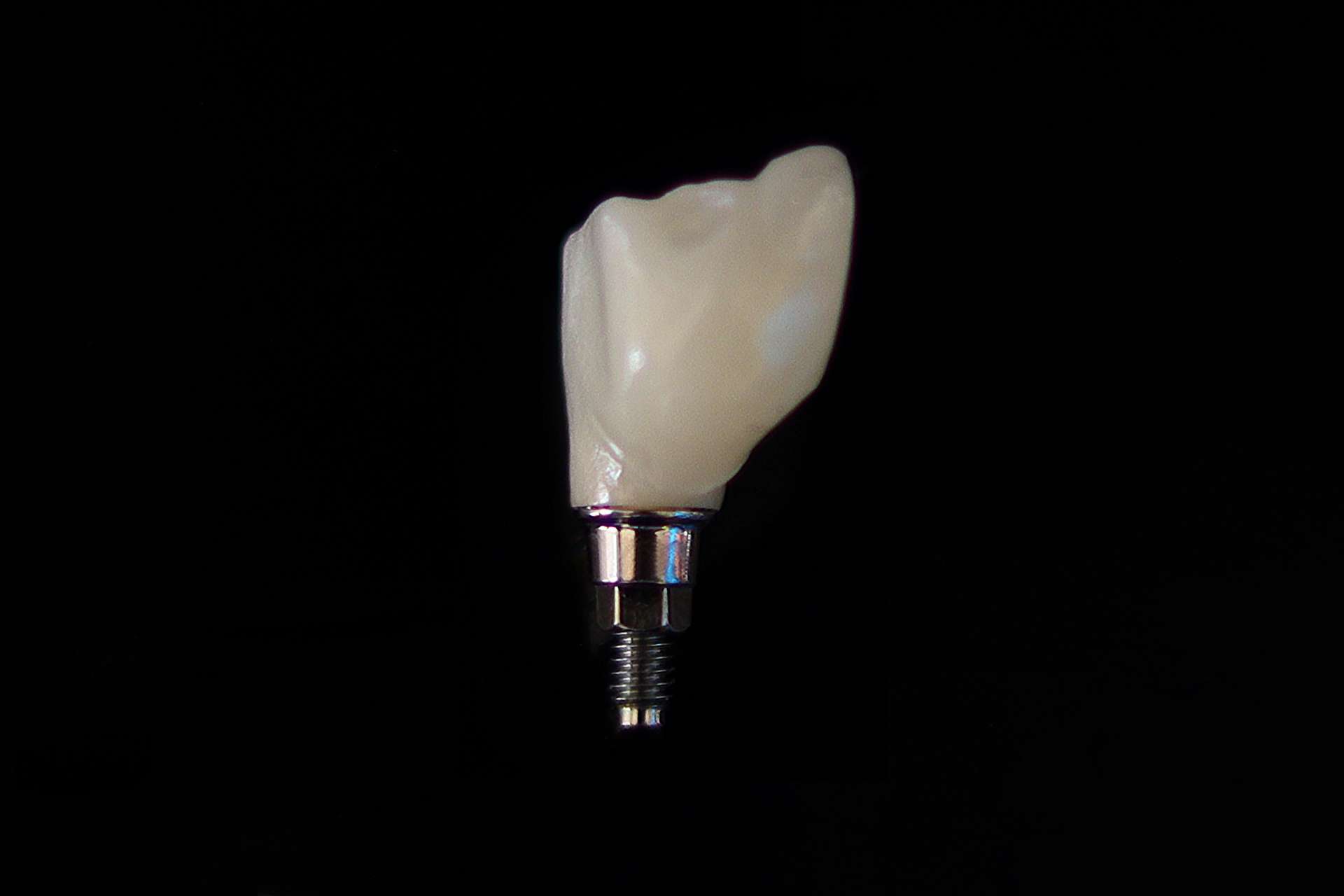


When you need to replace missing teeth, there are two main fixed options we typically discuss – dental implants and dental bridges. Both are excellent solutions that can restore your natural teeth and help you eat with confidence, but they work quite differently.
Let’s look at the real differences between implants and bridges, and what factors help determine which option might be best for you.
Dental Bridges: A Traditional Solution

A dental bridge procedure is a traditional way to replace missing teeth when we want to avoid removable options. The process involves placing dental crowns on the surrounding teeth where the gap is, and we attach a replacement tooth between these crowns – hence the term ‘bridge’.
It’s an excellent, comfortable solution that’s fixed in place. Once it’s cemented in, it’s not removable, which means you can use it with complete confidence. However, there are some important considerations with dental bridges that we need to discuss.
However, there are some important considerations with bridges. The main one is that we need to prepare the adjacent teeth for crowns, which means removing some tooth structure. When these teeth are in good condition, it’s not ideal to modify their healthy structure. The other consideration is that bridges can be a bit trickier to clean underneath, which is really important to prevent decay.
That said, bridges can be particularly valuable in certain situations. If the adjacent teeth are already damaged or have cracks that would need crowns anyway, then a bridge becomes an effective way to address both issues at once – we can protect those teeth with crowns while replacing the missing tooth at the same time. In these cases, a bridge can provide a really cost-effective solution.
Advantages of Dental Bridges
When we look at tooth implant vs bridge options, there are several significant benefits of dental bridges worth discussing.
Firstly, dental bridge procedures are relatively quick to complete. We can typically have everything done within two visits, and you’ll have a temporary bridge in between to maintain your appearance. This means you can have your final tooth replacement within weeks rather than months.
They’re also a reliable, comfortable solution for replacing missing teeth. Once the dental bridge is cemented in place, it’s fixed – not removable – which means you can eat and speak with complete confidence. The artificial tooth is crafted to match your natural teeth, creating a seamless appearance.
From a cost perspective, bridges tend to be more affordable than implants, particularly when the adjacent teeth already need crowns. In this situation, we’re solving multiple problems at once, which makes it quite a cost-effective solution.
Another benefit is that bridges don’t require surgery. This means we don’t need to consider things like bone grafting or healing periods, which can make the process more straightforward for many patients.
The bridge sits on your natural teeth, so we don’t need to worry about whether there’s enough bone present, which can sometimes be an issue with implants. It’s a traditional solution that’s been tried and tested for many years with predictable results.
Disadvantages of Dental Bridges
There are some important limitations with bridges that we need to consider.
The main downside is that we have to prepare the adjacent teeth for crowns, which means removing some tooth structure. When these teeth are in good condition and have never been touched, it’s a real shame to have to damage them just to replace a missing tooth.
Cleaning is another consideration. Bridges can be a bit trickier to clean underneath than your natural teeth. This cleaning is really important to prevent decay under the bridge, and you’ll need to be quite thorough with your oral hygiene routine.
We also need to think about the strength of your adjacent teeth. If these teeth are compromised or not particularly strong, we can’t trust them to support the bridge properly. In these cases, we might need to look at other options like implants.
The long-term success of a bridge really depends on these supporting teeth. If something happens to one of these teeth down the track, it can affect the entire bridge. This means we need to be quite careful about choosing teeth that are strong enough to act as supports for the long term.
Advantages of Dental Implants
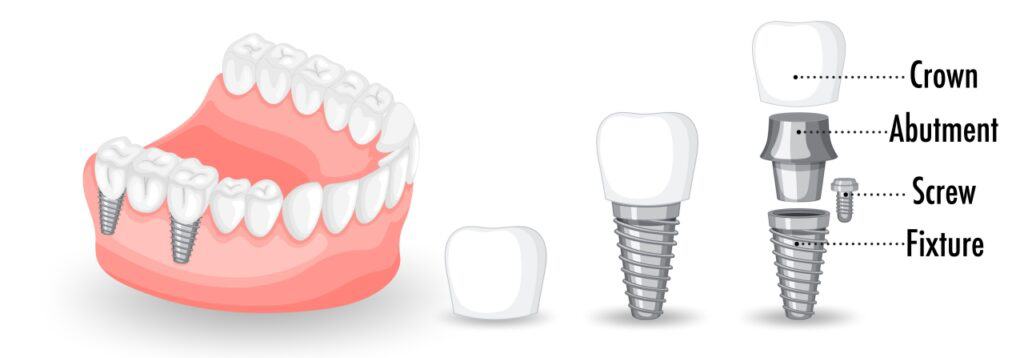
When considering tooth implant vs bridge options, dental implants offer several significant benefits that make them an excellent choice for many patients.
The primary advantage is that dental implants provide a single tooth replacement without affecting the surrounding teeth. When you have natural teeth that are healthy and untouched on either side of the gap, we can maintain their integrity. This is crucial for long-term dental health.
Dental implants are also easier to maintain than dental bridges. You can brush and floss them just like your natural teeth, which makes maintaining good oral health straightforward.
The natural-looking appearance and feel of a dental implant is remarkable. Once the titanium post integrates with your jaw bone, it functions like a natural tooth root. The prosthetic tooth we place on top is fixed, not removable, and provides such a comfortable fit that most patients forget it’s an artificial tooth.
Another significant benefit is how dental implants interact with your jaw bone. The titanium post stimulates the bone just like natural tooth roots would, which helps prevent bone loss in that area. This is quite different from a dental bridge, which sits above the gum line.
Looking at the long term, implants can be a very predictable solution. As long as they’re kept clean and looked after properly, they can last for many years.
Disadvantages of Dental Implants
There are several key considerations with implants that we need to discuss.
The primary one is that implants do require surgery. This involves placing titanium into your jaw bone, followed by a necessary healing period. During this time, we’ll provide you with a temporary tooth solution while we wait for the bone to integrate with the implant.
The healing period is substantial – typically spanning several months before we can place the final crown. This timeframe is essential to ensure proper integration and stability of the implant with your bone, though it does mean the overall treatment duration is longer than with a bridge.
Not all cases are straightforward. Sometimes we find there isn’t enough bone present to place the implant. In these situations, we might need to look at bone grafting or soft tissue grafting first, which adds another step to the process and extends the treatment time further.
From a cost perspective, implants tend to be more expensive initially than bridges. This is particularly true if we need to consider additional procedures like bone grafting.
We also need to be quite thorough with the assessment before we can proceed with an implant. We need to look at your bone levels, the position of important structures in your jaw, and your overall bite to ensure an implant is going to be successful.
Understanding the Costs of Dental Treatment
When comparing dental implants cost vs dental bridges, there are several important factors to consider. Dental bridges tend to be more cost-effective initially, particularly when the surrounding teeth already need dental crowns. In this situation, you’re addressing multiple dental health issues with one treatment.
The cost of dental implants, while typically higher upfront, needs to be considered as a long-term investment in your oral health. The price can increase if you require bone grafting or have experienced bone loss that needs to be addressed first.
With both tooth replacement options, it’s worth discussing coverage with your health fund, as this can significantly impact your out-of-pocket expenses.
The best way to get an accurate understanding of costs for your specific situation is to have a thorough examination at a local dental clinic. Every case is different, and factors such as the condition of your existing teeth, the amount of healthy bone present, and your overall dental health all play a role in determining the final treatment plan and associated costs.
Choosing Between a Bridge and Implant
When helping patients decide between tooth implant vs dental bridge options, there are several key factors we need to evaluate carefully.
Bone Quality and Quantity
For dental implants, sufficient jaw bone is essential to support the titanium post. If you’ve had missing teeth for a while, or there’s been bone loss, you might require bone grafting. In some cases, this might make a dental bridge a more straightforward option.
Condition of Adjacent Teeth
This is a crucial consideration in the implant vs bridge decision. If your existing teeth are completely sound, a dental implant might be the better choice to preserve these healthy teeth. However, if the surrounding teeth already have significant work or will need dental crowns in the future, a dental bridge could effectively address multiple teeth at once.
Long-term Oral Health Goals
We need to consider what will best serve your dental health in the long term. While dental bridges might offer a quicker solution initially, dental implants can provide a more permanent tooth replacement option in suitable cases.
Maintenance Requirements
Being realistic about your ability to maintain proper care is important. Bridges require more detailed cleaning, while dental implants can be maintained more like natural teeth.
Budget Considerations
While cost shouldn’t be the only factor in choosing between dental implants vs bridges, it’s certainly an important consideration. We need to look at both the initial investment and the long-term value for your oral health.
Making a Decision About Tooth Replacement Options
Both dental bridges and implants can be highly effective solutions for replacing missing teeth. The key is determining the most suitable dental treatment for your specific situation.
These recommendations require a thorough examination of your oral health. We need to consider your individual needs, factors such as bone loss, gum disease, the condition of your existing teeth, and your overall dental health. What works brilliantly for one patient might not be the best solution for another.
If you’re considering dental implants vs bridges, the best next step is to have a proper assessment at your local dental clinic. This way, we can look at all these factors together and determine which tooth replacement option is going to give you the best long-term result.
Remember, this is an important decision for your dental health. It’s worth taking the time to understand your options and get a thorough assessment before making your choice. A proper examination from our Balwyn dentist will help ensure you get the solution that’s right for you.